
When the final buzzer sounded in Berlin to conclude the 2026 FIBA Women’s Basketball World Cup, the tournament’s legacy extended far beyond Team USA hoisting its 12th gold medal trophy. Behind the on-court drama, international sports analysts and broadcast executives were digesting a much larger cultural and commercial breakthrough: global television and digital streaming viewership for FIBA women’s competitions had officially shattered every historical record in the federation’s history.
Broadcast across more than 190 territories worldwide, the tournament demonstrated that women’s basketball is no longer merely an emerging growth vertical—it has firmly established itself as a premier, high-rating global sports property capable of commanding massive live audiences across traditional linear television, OTT subscription services, and mobile streaming platforms.
1. The Numbers Behind the Surge: Breaking Down the Metrics
According to preliminary broadcast analytics and federation reporting, the 2026 tournament experienced exponential growth across every measurable viewership category compared to previous cycles:
- Global Cumulative TV Reach: Linear and connected-TV (CTV) viewership surpassed 1.5 billion total broadcast impressions, representing an unprecedented 85% increase over the 2022 tournament.
- Digital OTT and Streaming Surge: Total live minutes consumed on digital streaming platforms—including FIBA’s direct-to-consumer platform Courtside 1891 and regional broadcast partners—spiked by over 140%, driven largely by mobile-first viewers in Europe, North America, and the Asia-Pacific region.
- Viral Social Video Engagement: Short-form tournament highlights, behind-the-scenes player access, and viral game-winners accumulated over 2.8 billion video views across TikTok, Instagram Reels, and YouTube Shorts.
Crucially, the viewership spikes were not limited to the host continent or North America. Marquee knockout games featuring France, Australia, Japan, and Canada delivered primetime ratings windfalls in their respective domestic markets, dispelling the long-held myth that international women’s basketball only garners niche regional interest.
2. The Catalysts: Why Did Global Audiences Tune In?
The record-breaking viewership was not an overnight accident; it was the culmination of strategic multi-year investments, evolving gameplay, and transcendent individual talent.
A. Generational Star Power and Cross-Platform Storytelling
Modern basketball audiences connect deeply with individual athletes before they connect with institutions. Superstars like Breanna Stewart, Marine Johannès, and rising collegiate phenoms entered the tournament with millions of engaged social media followers and established cultural cachet. When these stars faced off in international competition, their built-in audiences followed seamlessly from their domestic club leagues to the global stage.
B. Modern, High-Pace Tactical Evolution
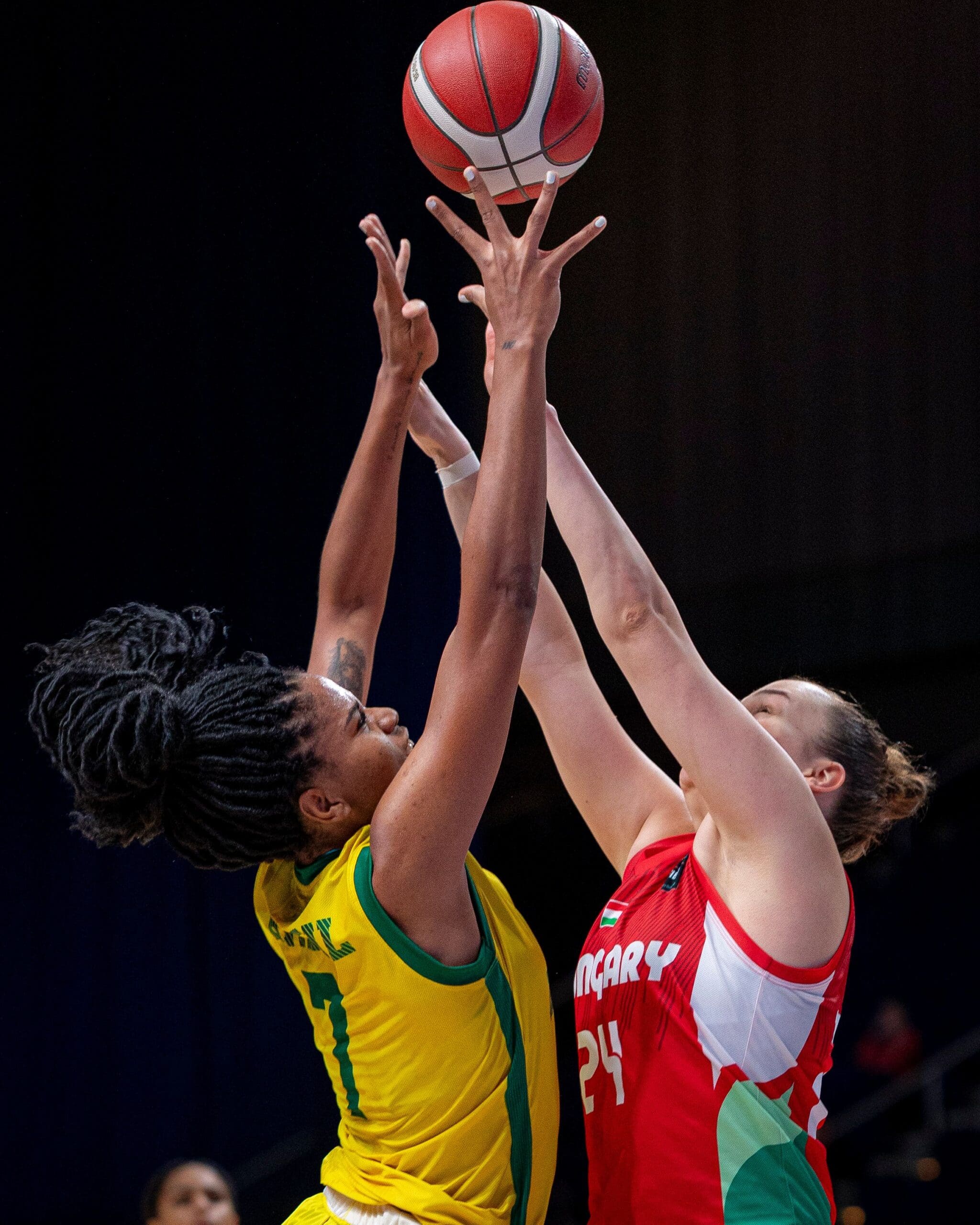
The on-court product has evolved dramatically. Today’s international women’s game features rapid pace-and-space offense, high-volume three-point shooting, and versatile 6’4″ perimeter-handling forwards. With teams averaging more fast-break points and showcasing elite defensive switchability, games offered non-stop visual excitement that kept digital viewers engaged through fourth quarters.
C. Premium Primetime Distribution
In previous decades, international women’s tournaments frequently suffered from secondary channel relegation or taped-delay broadcasts. In 2026, major broadcast conglomerates in key markets committed flagship, free-to-air, and primary cable slots to tournament coverage. When high-stakes basketball is made easily accessible on main channels, casual sports fans consistently tune in.
3. Commercial Implications: Sponsors Take Notice
The seismic ratings growth has immediate financial ramifications for international basketball governance. Tier-1 multinational brands in automotive, fintech, consumer tech, and sports apparel are actively re-evaluating corporate sponsorship allocations.
“The data from the 2026 World Cup proves beyond doubt that women’s basketball commands an exceptionally passionate, diverse, and digitally active demographic,” noted international media consultant Marcus Vance. “Brands are no longer sponsoring women’s sports out of corporate social responsibility; they are doing it because the commercial return on investment (ROI) is outperforming traditional sports properties.”
This commercial influx will directly impact federation prize pools, travel and lodging standards, and grassroots development budgets across national governing bodies over the coming Olympic cycle.
4. The Road Ahead: Turning a Spike into Sustainable Growth
While the 2026 viewership figures represent a triumphant milestone, the central challenge for FIBA and domestic leagues (such as the WNBA, EuroLeague Women, and Australia’s WNBL) is maintaining year-round momentum.
- Synchronized League Calendars: Aligning domestic league seasons with FIBA international windows ensures that marquee stars are physically fresh and available for global events without scheduling conflicts.
- Year-Round Digital Content Pipelines: Expanding behind-the-scenes documentary series (such as ESPN’s newly announced Setting the Tempo) keeps fans emotionally invested in athletes’ journeys between major four-year tournaments.
- Grassroots Facility Investment: Capitalizing on broadcast enthusiasm by building accessible courts, youth development leagues, and coaching clinics ensures the next generation of global stars continues to expand the talent pool.
The 2026 FIBA Women’s Basketball World Cup was more than a tournament—it was a definitive turning point. As digital streaming democratizes access and global athletic talent reaches new heights, international women’s basketball has undeniably taken center stage in modern global sports culture.