Physical Address
304 North Cardinal St.
Dorchester Center, MA 02124
Physical Address
304 North Cardinal St.
Dorchester Center, MA 02124

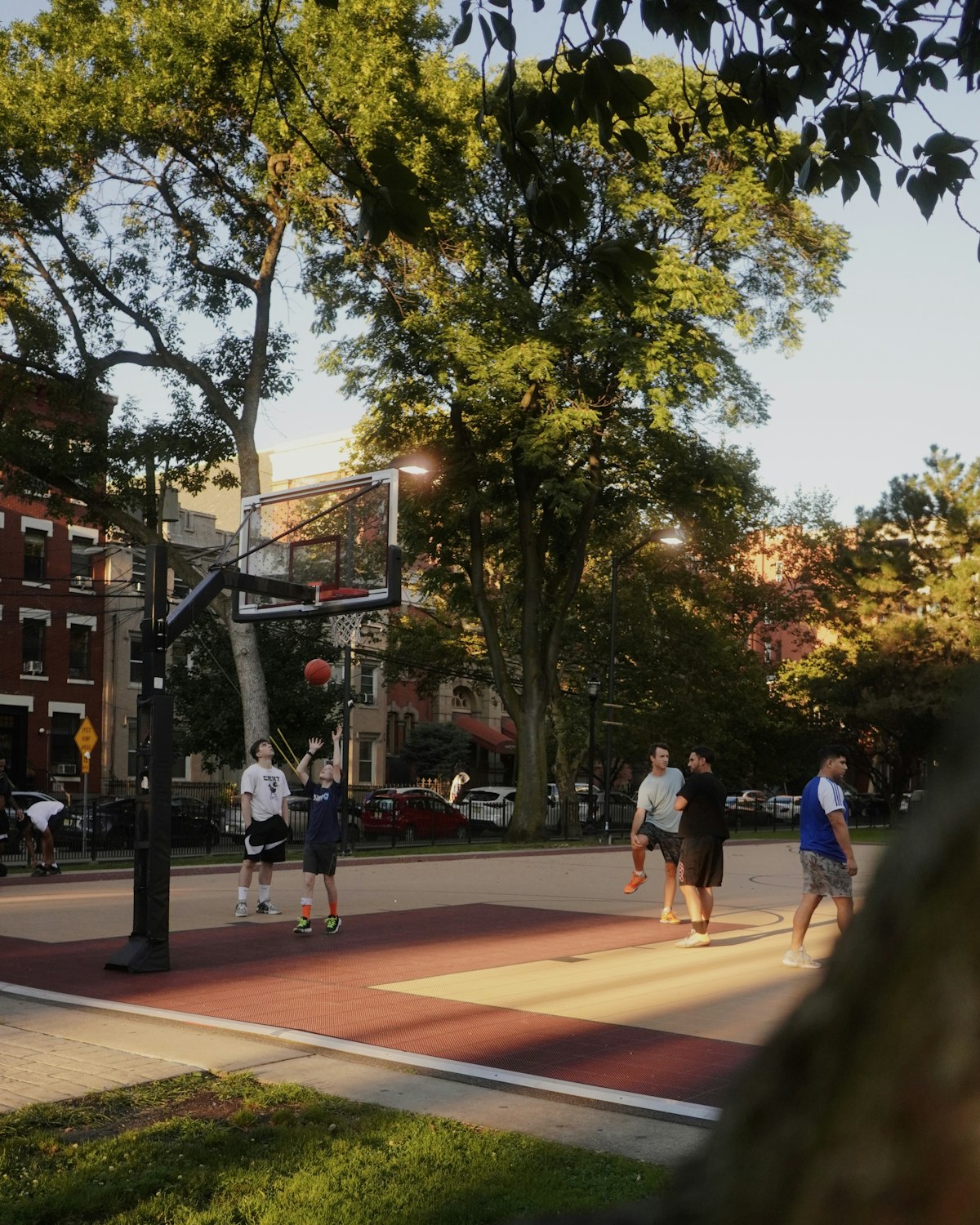
Discover how streetball culture transformed modern basketball. From historic playgrounds like Rucker Park to global sneaker trends and highlight reels, explore the roots of basketball style.
Before basketball became a multi-billion-dollar global entertainment industry played in state-of-the-art climate-controlled arenas, its soul was forged on outdoor asphalt courts surrounded by chain-link fences. From Harlem’s legendary Rucker Park to Venice Beach in California and Pigalle in Paris, streetball culture has fundamentally shaped how the world plays, watches, and dresses for the game.
Streetball is not merely an outdoor version of organized basketball—it is an art form, a community sanctuary, and a cultural movement that gave birth to the swagger, creativity, and self-expression celebrated across modern sports today.
In the heart of Harlem, New York, Holcombe Rucker founded a neighborhood basketball tournament in 1950 with a simple mission: to keep local youth off the streets and inspire them toward education. Over the decades, that asphalt court at 155th Street and Frederick Douglass Boulevard became basketball’s ultimate proving ground.
NBA Hall of Famers like Wilt Chamberlain, Julius “Dr. J” Erving, and Kareem Abdul-Jabbar routinely faced off against playground legends whose mythical feats were whispered through barbershops—men like Earl “The Goat” Manigault, Richard “Pee Wee” Kirkland, and Joe “The Destroyer” Hammond. At Rucker Park, NBA status meant nothing; respect was earned strictly on that day, in front of thousands of passionate neighborhood spectators chanting from fences, bleachers, and nearby rooftops.
During the late 1990s and early 2000s, streetball exploded into mainstream global consciousness through the AND1 Mixtape Tour. Featuring streetball icons like Philip “Hot Sauce” Champion, Grayson “The Professor” Boucher, and Rafer “Skip 2 My Lou” Alston, the tour paired hip-hop soundtracks with jaw-dropping crossovers, off-the-backboard lobs, and freestyle flair.
The VHS and DVD mixtapes traded on school buses and playgrounds inspired an entire generation of guards across Europe, Asia, and the Americas. The idea that a player could express their unique identity through handles, rhythm, and showmanship permanently liberated basketball from rigid, robotic coaching doctrines.
You cannot separate streetball from fashion. Iconic footwear silhouettes like the Air Force 1, Converse Chuck Taylor All-Star, and Nike Air Foamposite were validated not in corporate boardrooms, but on asphalt city courts. Streetball proved that basketball gear could seamlessly transition from a physical battleground under the rim to a global fashion statement on the street.
Take one look at the creative handles of Kyrie Irving, the hesitation step-backs of Luka Dončić, or the step-back three-pointers that dominate the contemporary NBA—the DNA of streetball is undeniable. What was once dismissed as “flashy playground ball” by traditionalists has evolved into the indispensable offensive toolkit of championship contenders.
As long as there is an open hoop, a worn-out leather ball, and an asphalt court waiting under the afternoon sun, the culture of streetball will continue to be the heartbeat of the game.
