Physical Address
304 North Cardinal St.
Dorchester Center, MA 02124
Physical Address
304 North Cardinal St.
Dorchester Center, MA 02124

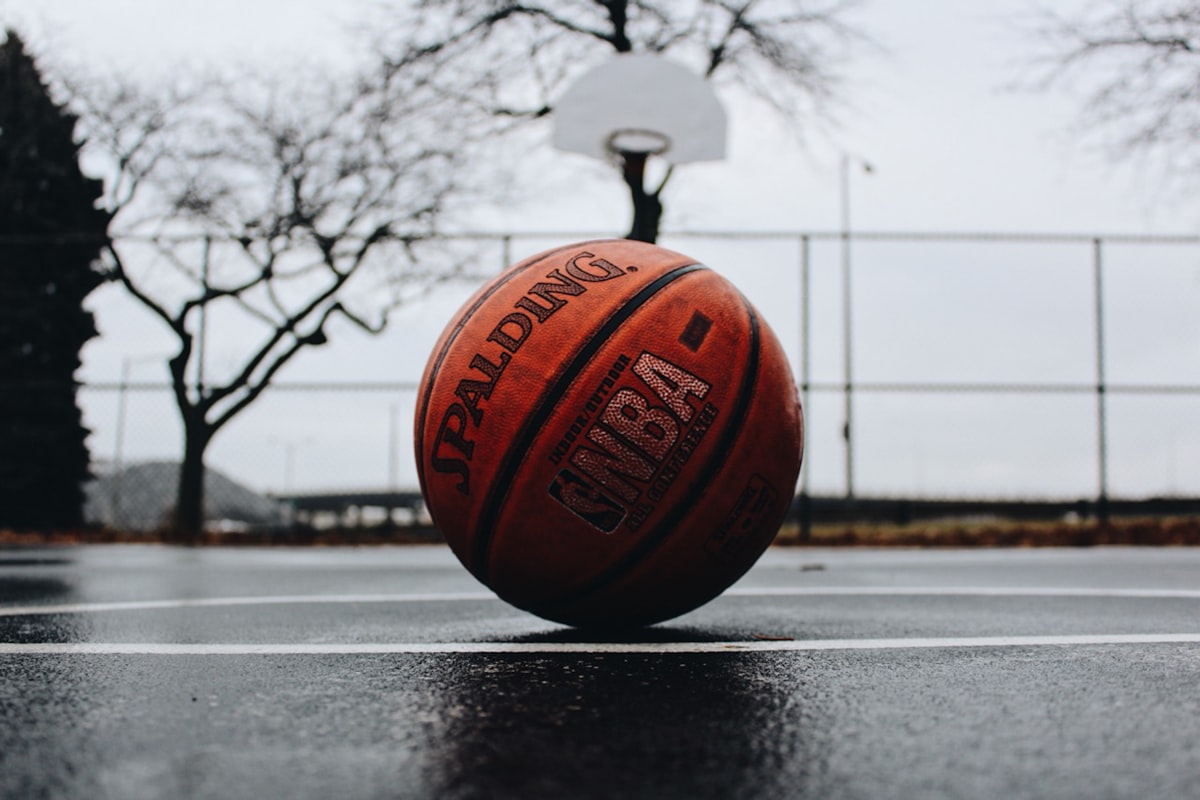
From grip-enhancing composite basketballs and agility ladders to compression gear and shooting targets, discover the essential training gear to elevate your game.
While natural athletic ability and consistent court time are essential to becoming a better basketball player, having the right training equipment can dramatically accelerate your skill development. You don’t need a multi-million-dollar training facility to make serious progress—a few well-chosen, durable training tools can transform your driveway, garage, or local gym into an elite personal development lab.
Here is our comprehensive breakdown of the essential basketball training equipment every serious hooper should consider adding to their arsenal.
Nothing ruins training faster than using the wrong basketball on the wrong surface. Composite leather balls designed strictly for hardwood will degrade within weeks on outdoor asphalt, while rough outdoor rubber balls offer terrible grip on indoor courts.
Basketball is a game of deceleration, lateral quickness, and change of direction. High-top vertical jumping means little if you cannot slide your feet defensively or change directions rapidly on a fast break.
Ball control requires hand-eye coordination and finger-forearm strength. Weighted training basketballs (typically 1.5x to 2x the weight of an official regulation ball) force your muscles to work harder during pounds, crossovers, and behind-the-back wraps.
When you switch back to a standard game ball after 10 minutes with a heavy ball, the regulation ball feels virtually weightless, and your handles feel noticeably snappier and quicker.
If you train alone without a rebounding partner or automatic shooting machine, chasing down misses consumes half of your workout time. Simple training aids can double your shooting volume:
Staying on the court requires taking care of your joints. High-impact landings and hard cuts place continuous stress on patellar tendons, ankles, and lower backs. A standard recovery kit should include:
Do not feel pressured to buy every gadget at once. Start with a dedicated game ball suited to your primary playing surface and a set of simple cones. Master the fundamentals, and gradually invest in specialized tools as your training intensity demands.
